Eco-Friendly, Post, Recycling
Waste Classification Bins: 2 Types of Bins for Organics & Inorganics
Jun
Introduction
If you are looking for the best information on waste classification bins, you have come to the right place. As global urban populations expand and consumer economies grow, waste generation has reached unprecedented levels, presenting a severe threat to natural ecosystems and public health. Landfills worldwide are reaching their maximum capacities, and the greenhouse gases generated by decomposing trash contribute significantly to global climate change. In response to this environmental crisis, municipalities and environmental organizations are advocating for waste classification at the source.
This process involves separating refuse into distinct categories at the moment of disposal, preventing different materials from mixing and contaminating one another.
The cornerstone of this practice is the use of specialized waste classification bins. By understanding the critical distinction between organic and inorganic waste, and learning how to utilize classification systems effectively, individuals and businesses can reduce their environmental footprint and support a circular economy.
Understanding the Basics: Organics vs. Inorganics
At its core, waste classification divides household and commercial refuse into two primary streams based on biodegradability and material origin. Understanding these definitions is essential for correct sorting:
What is Organic Waste?
Organic waste refers to biodegradable materials that originate from living organisms—either plants or animals. This waste stream is rich in carbon and nitrogen and decomposes naturally over time through the action of microorganisms, bacteria, and fungi. Common examples of organic waste include: Food scraps, fruit and vegetable peels, leftovers, coffee grounds, tea bags, eggshells, nut shells, meat scraps, small bones, yard clippings, dry leaves, flowers, and unlaminated paper products (like napkins and cardboard pizza boxes that have been soiled by food).
Because organic waste decomposes, it can be recycled through composting to create nutrient-rich fertilizer for agriculture and landscaping, returning valuable nutrients to the earth.
What is Inorganic Waste?
Inorganic waste consists of non-biodegradable materials that are synthetic, mineral-based, or manufactured. These materials do not rot or break down naturally over time, or if they do, the process takes hundreds of years. Examples of inorganic waste include: Plastics (bottles, containers, wraps), metals (aluminum cans, steel food tins, foil), glass (jars, bottles, windows), ceramics, synthetic fabrics, rubber, and electronic waste (e-waste). Unlike organics, inorganic waste cannot be composted.
Instead, it must be managed through recycling (where materials are melted down and reformed), incineration, or disposal in secure landfills where they are contained to prevent environmental leaching.
Why Proper Sorting is Crucial for the Environment
Using waste classification bins to separate these two categories is not just an organizational exercise; it has massive ecological consequences:
- Preventing Recycling Contamination: Contamination is the single greatest barrier to global recycling efforts. If organic food waste is mixed with inorganic recyclables (such as throwing half-empty soda cans or food-soiled plastic containers into a paper recycling bin), the liquids and oils will ruin the paper fibers. The contaminated materials cannot be processed and are redirected to landfills. Separating wet organics from dry inorganics preserves the purity and value of recyclables.
- Reducing Methane Emissions: When organic waste is buried in landfills, it is compressed under tons of other trash, creating an anaerobic (oxygen-free) environment. Under these conditions, anaerobic bacteria decompose the organic matter, producing methane gas—a greenhouse gas that is over 25 times more potent than carbon dioxide at trapping heat in the atmosphere. By separating organic waste and sending it to commercial composting facilities where oxygen is present, decomposition produces carbon dioxide and water instead of methane, significantly lowering greenhouse gas emissions.
- Conserving Landfill Space: Landfills are expensive to build and maintain, and they occupy large tracts of land. A significant portion of municipal landfill waste consists of organic food scraps and recyclable plastics. By classifying and separating these materials, only non-recyclable inorganic waste goes to the landfill, extending the lifespan of existing facilities.
How to Implement Waste Classification Bins Effectively
To establish a successful waste sorting system in your home or office, consider the following practical steps:
1. Choose the Right Bin Design
Rather than placing multiple separate trash cans around the room, invest in integrated multi-compartment waste classification bins. These units feature two or three internal buckets housed within a single sleek outer shell. This design keeps the sorting station compact and neat, making it easy for users to place items in the correct compartment without walking to different areas. Look for bins with foot pedals or sensor lids for hygienic, hands-free operation.
2. Utilize Standard Color Coding and Graphics
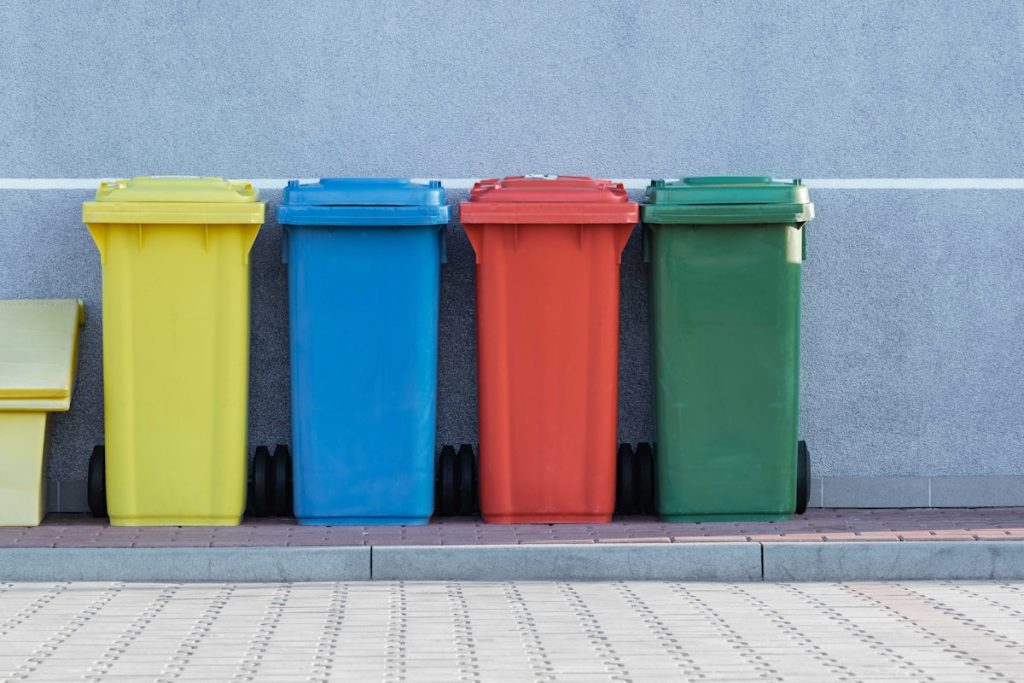
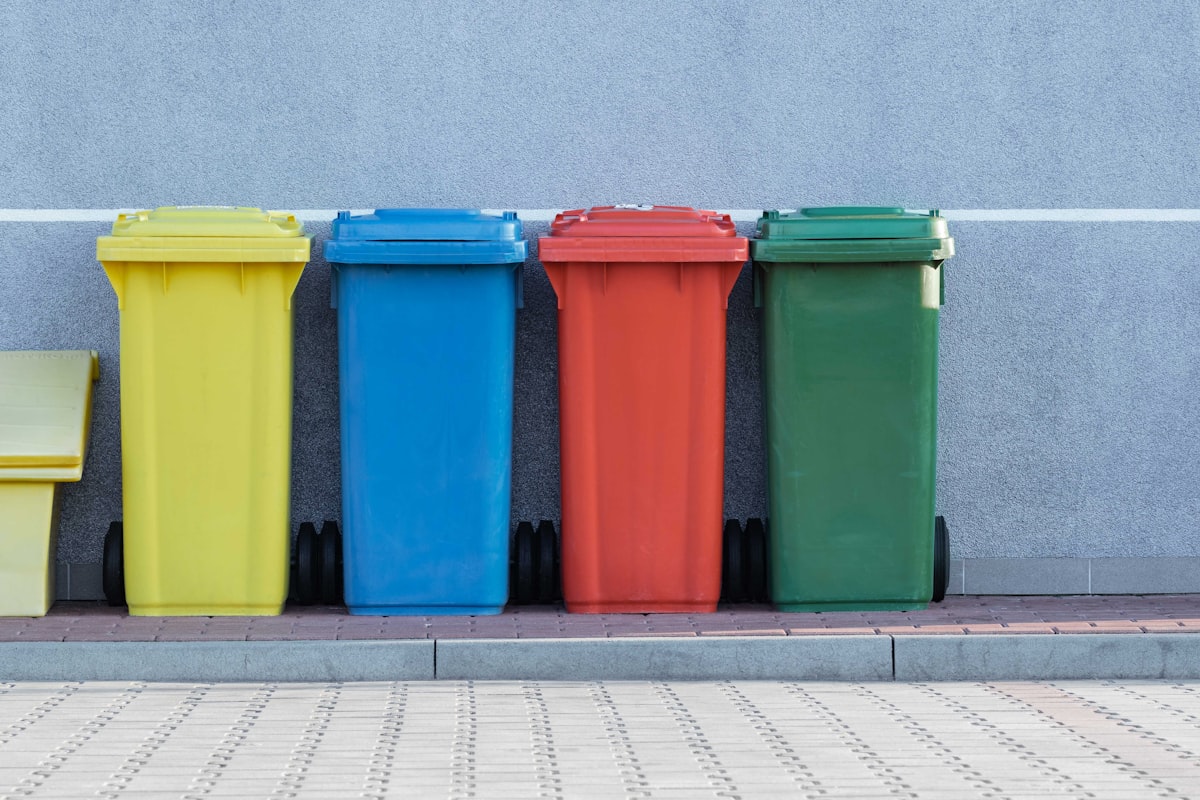
Visual aids are highly effective in guiding correct disposal habits. Standardize the colors of your bins or lids. For instance, use green for organic waste, blue for paper and cardboard, yellow for plastics and metals, and black for general landfill waste. Ensure each compartment is clearly labeled with text and simple graphic icons depicting what belongs inside (e.g., an icon of a banana peel for organics, and a plastic bottle icon for recyclables).
3. Position Stations Strategically
Place your classification bins in areas where waste is generated. In a residential kitchen, place the organic bin close to the food preparation counter or cutting board, as this is where food scraps accumulate. In an office setting, place paper recycling bins near copy machines and printers, and place dual organic/inorganic bins in the breakroom where staff consume meals.
Best Practices for Maintaining Classification Bins
Managing separated waste streams requires minor adjustments to your daily routine. Because organic waste decomposes, it can generate odors and attract insects quickly. To manage this, use compostable bio-plastics or paper liners inside the organic bin and empty it every one to two days. Keep the lid closed tightly to seal in smells. For inorganic bins, ensure that bottles, cans, and jars are quickly rinsed of food residues before disposal to prevent odors and insects from developing in the dry waste compartment.
Conclusion
Transitioning to a structured waste sorting system is one of the most immediate and impactful actions individuals and businesses can take to protect the environment. Using waste classification bins to separate organic kitchen waste from inorganic recyclables ensures that valuable materials are diverted from landfills, recycling contamination is minimized, and methane emissions are reduced.
By investing in the right sorting tools, color-coding bins clearly, and practicing mindful disposal habits, we can contribute to a cleaner, more sustainable world where waste is viewed not as a burden, but as a resource to be recovered.
Related Reading: Explore our detailed guide on 5 Tips for Finding Best Quality Bins to learn more about choosing the best waste solutions for your needs.
To understand the global impact of proper recycling and garbage disposal, check out the comprehensive resource on Waste Management on Wikipedia.
