
Eco-Friendly, Post, Recycling
Waste Sorting Bins: 2 and 3 Compartment Selection Guide
Jun
If you are looking for the best information on waste sorting bins, you have come to the right place. The global volume of municipal solid waste is growing at an unprecedented rate, putting immense pressure on landfills, oceans, and municipal recycling infrastructures. In response to this environmental crisis, communities and businesses worldwide are turning to waste sorting at source. Sorting waste at the point of generation rather than at a centralized reclamation facility dramatically reduces contamination rates, increases the volume of recyclable materials, and makes waste collection more efficient.
To make this process seamless and sustainable for everyday citizens, having the right equipment is essential.
Specialized waste sorting bins are designed to keep different waste streams separate from the moment they are discarded. However, choosing the right configuration—specifically between 2-compartment and 3-compartment systems—can be challenging. This guide explains the concept of source separation and provides a detailed framework for selecting the best multi-compartment waste bins for your home, office, or commercial establishment.
Understanding Waste Sorting at Source
Sorting waste at source refers to the practice of separating different types of garbage at the exact moment and location where they are thrown away. Traditionally, households and offices dumped all waste into a single bin, which was then hauled away to a sorting facility. However, this method has a major flaw: contamination. Food residues, liquids, and organic waste contaminate potentially recyclable materials like paper, cardboard, and clean plastics, rendering them useless for recycling.
By implementing waste sorting bins at the point of disposal, we can keep recyclables clean and dry. Studies show that source separation can increase the efficiency of recycling programs by over 50% and significantly lower waste management costs for municipalities and businesses alike.
2-Compartment Bins: Perfect for Basic Waste Separation
Dual-compartment waste sorting bins are the most popular choice for standard households, small offices, and hotel rooms. These bins feature a single outer shell divided into two independent internal compartments, usually side-by-side or stacked vertically. The typical setup involves assigning one compartment for general landfill waste and the other for dry recyclables (such as plastic bottles, aluminum cans, and paper). By placing these two waste streams in a single unit, users do not have to walk to different areas to recycle, which encourages participation.
The primary benefit of a 2-compartment system is its space efficiency. It has a similar footprint to a standard single-compartment bin, making it ideal for compact kitchens or under-desk placements. Additionally, they are highly intuitive to use, requiring minimal instruction for visitors or employees.
3-Compartment Bins: Designed for Advanced Recycling
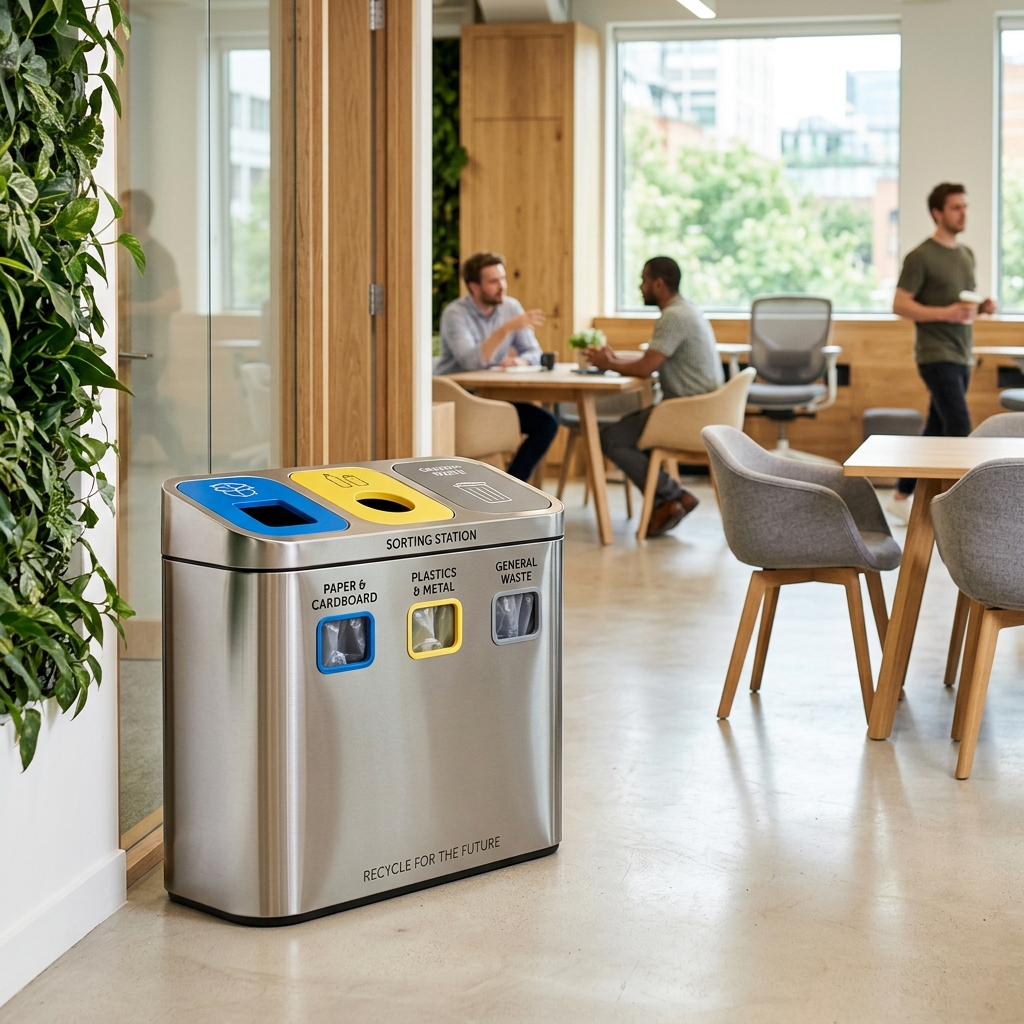
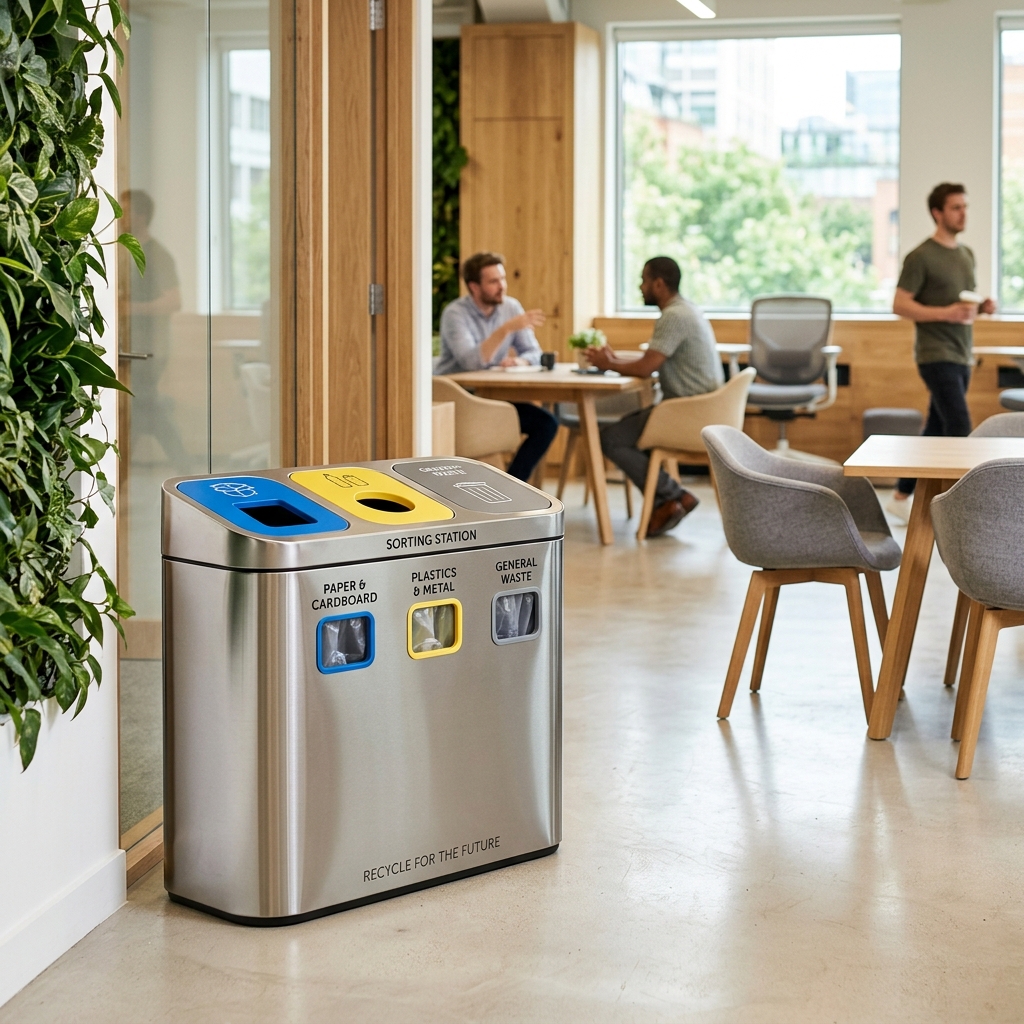
Triple-compartment waste sorting bins are designed for environments that demand more comprehensive recycling programs. These bins feature three distinct compartments under a single lid or within one frame. In modern eco-friendly homes and progressive corporate offices, a 3-compartment system is commonly configured to separate: general waste, dry recyclables, and organic compost (food scraps, coffee grounds, and green waste). Keeping organic waste separate is highly beneficial because organic material represents a large portion of household waste. When buried in landfills, organic waste decomposes anaerobically and produces methane, a potent greenhouse gas.
By separating it at source in a 3-compartment bin, it can be easily transported to composting facilities. While these bins require slightly more floor space and require users to pay closer attention when disposing of trash, they represent the gold standard for zero-waste initiatives.
Key Factors to Consider When Choosing Waste Sorting Bins
1. Capacity and Footprint
When selecting your bin, calculate the total volume of waste your space generates daily. For a family of four or a small office team, a 2-compartment bin with a capacity of 40 to 60 liters is usually sufficient. A 3-compartment bin will require a larger footprint, typically ranging from 60 to 80 liters in total capacity to ensure each compartment is large enough to hold several days of waste. Ensure you have adequate space in your kitchen or workspace before purchasing.
2. Clear Labeling and Color Coding
Human behavior is the most critical element of successful waste sorting. If the compartments are not clearly labeled, users will discard trash in the wrong section, causing contamination. Look for waste sorting bins that feature color-coded rims, lid stickers, or embossed icons (such as green for compost, blue for recycling, and black for general waste). Clear visual indicators make sorting second nature for kids, guests, and employees.
3. Lid and Pedal Mechanism
Odors are a major concern when separating wet waste, especially organic compost. Choose bins with tight-sealing lids that trap odors inside. Hands-free pedal or motion-sensor lids are highly recommended, as they prevent users from having to touch dirty surfaces when sorting different items. Soft-close hinges are also valuable for preventing noise in quiet office environments.
4. Internal Bucket Convenience
Ensure that each compartment contains a separate, removable inner plastic bucket with a sturdy handle. When one compartment fills up, you want to be able to lift it out and empty it individually without having to carry the entire unit or empty the other compartments. Removable buckets also make cleaning up leaks and spills quick and simple.
Conclusion
Implementing waste sorting bins is one of the most effective steps you can take to reduce your environmental footprint. Whether you choose a compact 2-compartment bin for basic household sorting or a comprehensive 3-compartment bin to separate organics, recyclables, and landfill waste, you are creating a structured system that supports global sustainability and keeps your home or workspace clean and organized.
Frequently Asked Questions
What is the benefit of keeping organic waste separate?
Keeping organic waste separate prevents it from contaminating clean recyclables like paper and cardboard. It also allows organic material to be collected and converted into nutrient-rich compost, reducing landfill volumes and greenhouse gas emissions.
How do I clean multi-compartment recycling bins?
Remove the individual inner buckets, wash them with warm soapy water and a mild disinfectant, and let them dry completely before inserting them back into the bin. Wipe down the exterior shell with a damp microfiber cloth.
Are 3-compartment bins too complicated for kids to use?
No, children learn recycling rules very quickly when bins use clear visual cues. Using bright color-coded lids (e.g., green for food, blue for plastic, gray for trash) along with simple cartoon labels makes sorting fun and easy for kids.
Related Reading: Explore our detailed guide on 8 Mini & Mesh Bins for Workspaces to learn more about choosing the best waste solutions for your needs.
To understand the global impact of proper recycling and garbage disposal, check out the comprehensive resource on Waste Management on Wikipedia.
