
Home Appliances, Kitchen Bins, Post
Kitchen Trash Bins: 7 Best Odor Control Designs
Jun
Introduction
n
The kitchen is often referred to as the heart of the home. It is where meals are prepared, families gather, and daily life unfolds. However, it is also the primary site of domestic waste generation. From food scraps and packaging materials to empty bottles and discarded leftovers, the accumulation of waste is a continuous process. Consequently, choosing the right kitchen trash bins is not just a matter of convenience; it is a critical decision that affects the hygiene, organization, and overall aesthetic of your home.
Modern households require waste management solutions that are not only practical but also highly effective at controlling odors and blending seamlessly with contemporary interior designs.
nn
The Evolution of Kitchen Trash Bins
n
Historically, kitchen trash bins were simple, open buckets placed under the sink or in a corner of the kitchen. These primitive containers did little to contain odors, prevent pest infestations, or enhance the room’s appearance. As awareness of hygiene grew, manufacturers introduced pedal-operated step bins, which allowed for hands-free operation and closed lids. Today, we are witnessing a revolution in kitchen waste management. Homeowners can now choose from motion-activated smart bins, multi-compartment recycling stations, and under-sink pull-out systems.
These modern designs are engineered to address the specific pain points of traditional bins, with a particular focus on odor control and space optimization.
nn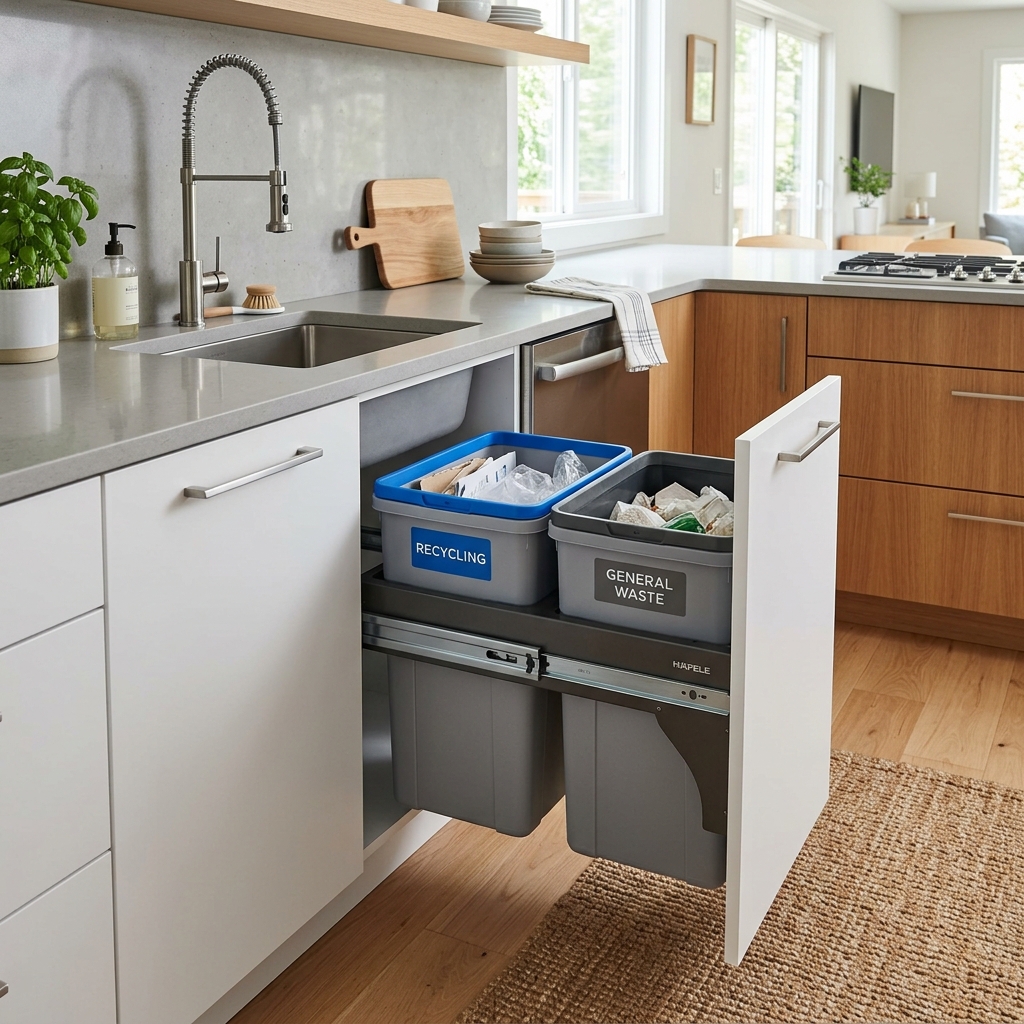 nn
nn
Understanding Odor Control in Kitchen Trash Bins
n
One of the most significant challenges in kitchen waste management is odor control. Organic waste, such as vegetable peelings, meat scraps, and dairy products, decomposes rapidly in the warm environment of a kitchen. This decomposition process releases volatile organic compounds (VOCs) and moisture, leading to unpleasant smells and attracting household pests. Modern kitchen trash bins employ several sophisticated mechanisms to combat this issue:
n
- n
- Airtight Seals and Rubber Gaskets: High-quality bins feature lids equipped with rubber or silicone gaskets. When the lid closes, these gaskets create a tight seal that prevents air from escaping, thereby trapping odors inside the bin.
- Integrated Charcoal and Carbon Filters: Many premium kitchen trash bins are designed with a filter compartment built into the lid. Activated carbon or charcoal filters absorb and neutralize odor molecules before they can escape into the room. These filters are highly effective but must be replaced periodically to maintain their efficacy.
- Antimicrobial Materials and Liners: To prevent the growth of odor-causing bacteria and mold, manufacturers often treat the plastic liners or the bin’s exterior with antimicrobial agents. This inhibits bacterial colonization and keeps the bin smelling fresher for longer.
- Deodorizer Compartments: Some bins feature a small drawer or slot where users can place deodorizing blocks or scented pods. This helps mask any residual odors that slip through the main filtration system.
n
n
n
n
nn
Practical Designs for Modern Kitchens
n
A kitchen trash bin must fit the physical layout of your kitchen and the lifestyle of your household. Here are some of the most practical designs currently available on the market:
n
1. Under-Sink Trash Cans
n
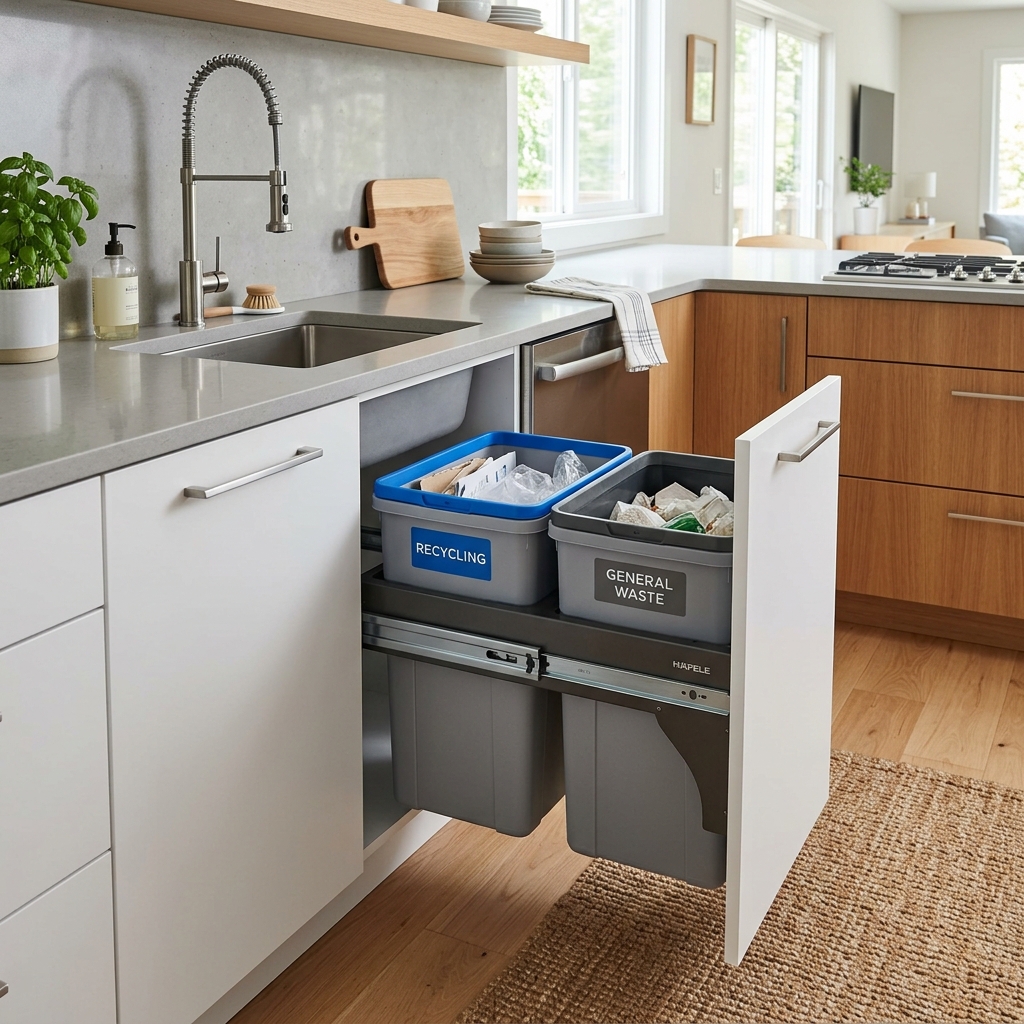
For those who prefer a minimalist, clutter-free kitchen, under-sink trash cans are an ideal choice. These bins are installed inside the cabinet door or on a pull-out slide mechanism beneath the kitchen sink. This design keeps the trash bin completely out of sight, preserving the clean lines of your kitchen cabinetry. It also prevents pets and young children from accessing the trash. However, under-sink bins are typically smaller in capacity, meaning they must be emptied more frequently.
n
2. Dual-Compartment Bins
n
As recycling becomes a standard practice worldwide, dual-compartment bins have grown immensely popular. These bins feature two separate compartments side-by-side—one for general landfill waste and the other for recyclables. Some models even include a third, smaller container specifically for organic compost. A dual-compartment bin simplifies the sorting process, eliminating the need for multiple unsightly bins scattered around the kitchen.
n
3. Slim and Space-Saving Profiles
n
In smaller kitchens or apartments where floor space is at a premium, a slim trash bin can make a significant difference. These bins are designed with a narrow width but a deeper profile, allowing them to slide easily into tight spaces, such as between the refrigerator and the counter, or at the end of a kitchen island.
nn
Hands-Free Operation: Step Bins vs. Touchless Sensor Bins
n
Hygiene is paramount in the kitchen, especially when handling raw ingredients. Touching a dirty trash can lid with messy hands is a recipe for cross-contamination. Therefore, hands-free operation is a must-have feature for any kitchen bin. The two main technologies are step bins and motion-activated sensor bins.
n
Step bins utilize a mechanical foot pedal to raise the lid. This system is highly reliable, requires no batteries or electricity, and is exceptionally durable. However, cheap step bins can slide across the floor when operated, so it is important to choose a model with a non-slip weighted base and a soft-close lid mechanism to prevent slamming.
n
Touchless sensor bins use infrared technology to detect the motion of a hand or object above the lid, automatically opening and closing after a few seconds. This offers a truly touchless experience, which is excellent for hygiene. The primary drawbacks are the need for battery replacements or charging, and the potential for sensor malfunction over time. When choosing a sensor bin, look for models with a manual override button and water-resistant sensor housings.
nn
Essential Maintenance Tips for Odor-Free Kitchen Bins
n
Even the most advanced kitchen trash bins will begin to smell if they are not maintained properly. To keep your kitchen smelling fresh, incorporate these simple habits into your cleaning routine:
n
- n
- Use High-Quality Trash Bags: Cheap trash bags are prone to tears and punctures, allowing liquids and food particles to leak into the bottom of the bin. Invest in heavy-duty, puncture-resistant bags that fit your bin size perfectly.
- Clean the Bin Regularly: Wipe down the exterior and interior of the bin once a week with a disinfectant spray or a solution of warm water and white vinegar. For deep cleaning, wash the inner bucket with warm soapy water, rinse it thoroughly, and let it dry completely in the sun before reinserting it.
- Keep Moisture out: Moisture accelerates decomposition and mold growth. Place a newspaper liner or a handful of baking soda at the bottom of the trash bag to absorb any liquids that drain from food scraps.
- Separate Organic Waste: Whenever possible, dispose of food scraps in a compost bin rather than the general kitchen trash. Since organic waste is the primary source of strong odors, diverting it to compost will keep your main kitchen bin fresh.
n
n
n
n
nn
Conclusion
n
Selecting the right kitchen trash bins is a vital step toward creating a clean, efficient, and pleasant kitchen environment. By prioritizing effective odor control features—such as airtight seals and carbon filters—and choosing a practical design that matches your layout, you can eliminate a common source of household stress. Whether you opt for a hidden under-sink unit, a high-tech motion-sensor bin, or a dual-compartment recycling system, the right trash bin will streamline your daily chores and elevate the overall look of your kitchen.
Related Reading: Explore our detailed guide on 5 Solutions for Factory Management to learn more about choosing the best waste solutions for your needs.
To understand the global impact of proper recycling and garbage disposal, check out the comprehensive resource on Waste Management on Wikipedia.
