
Post, Public Facilities, Waste Management
Public Trash Can Price Guide: 5 Tips for Budgeting
Jun
If you are looking for the best information on public trash can price, you have come to the right place. Municipalities, school districts, park systems, and retail plazas are continuously challenged to maintain cleanliness while operating within strict financial budgets. When planning a public waste management system, procurement officers must balance the initial cost of public waste receptacles against their long-term durability and maintenance needs. A common point of confusion is the wide range of public trash can price options found in commercial catalogs.
While a home kitchen bin might cost under fifty dollars, a commercial public trash can easily range from one hundred dollars to over one thousand dollars.
Why is there such a massive discrepancy? How can community groups and property managers find affordable options that still withstand intense public use and harsh outdoor weather? This public trash can price guide provides a detailed breakdown of the factors influencing commercial bin pricing, outlines typical cost ranges by material and size, and offers practical strategies for making budget-friendly purchases for your community.
What Drives the Public Trash Can Price?
Understanding the elements that contribute to the cost of a commercial trash can is essential for making informed purchasing decisions. Commercial receptacles are not built like domestic bins; they must withstand heavy foot traffic, vandalism, weather extremes, and constant mechanical lifting. Several key factors drive their manufacturing cost. First is the material. Receptacles made from engineering-grade thermoplastics like HDPE are relatively inexpensive to manufacture, while bins built with heavy-gauge stainless steel, powder-coated iron, or wood-plastic composites require complex welding, coating, and assembly, which increases production costs. Second is structural reinforcement.
Public bins often feature internal steel skeletons, heavy-duty locks to prevent theft, and weighted bases to prevent high winds or vandals from tipping them over. Finally, specialized features like integrated ashtrays, custom recycling decals, and dome lids that shed rainwater add to the overall price tag.
Commercial Trash Can Price Breakdown by Category
1. Budget-Friendly Public Trash Cans ($50 to $150)
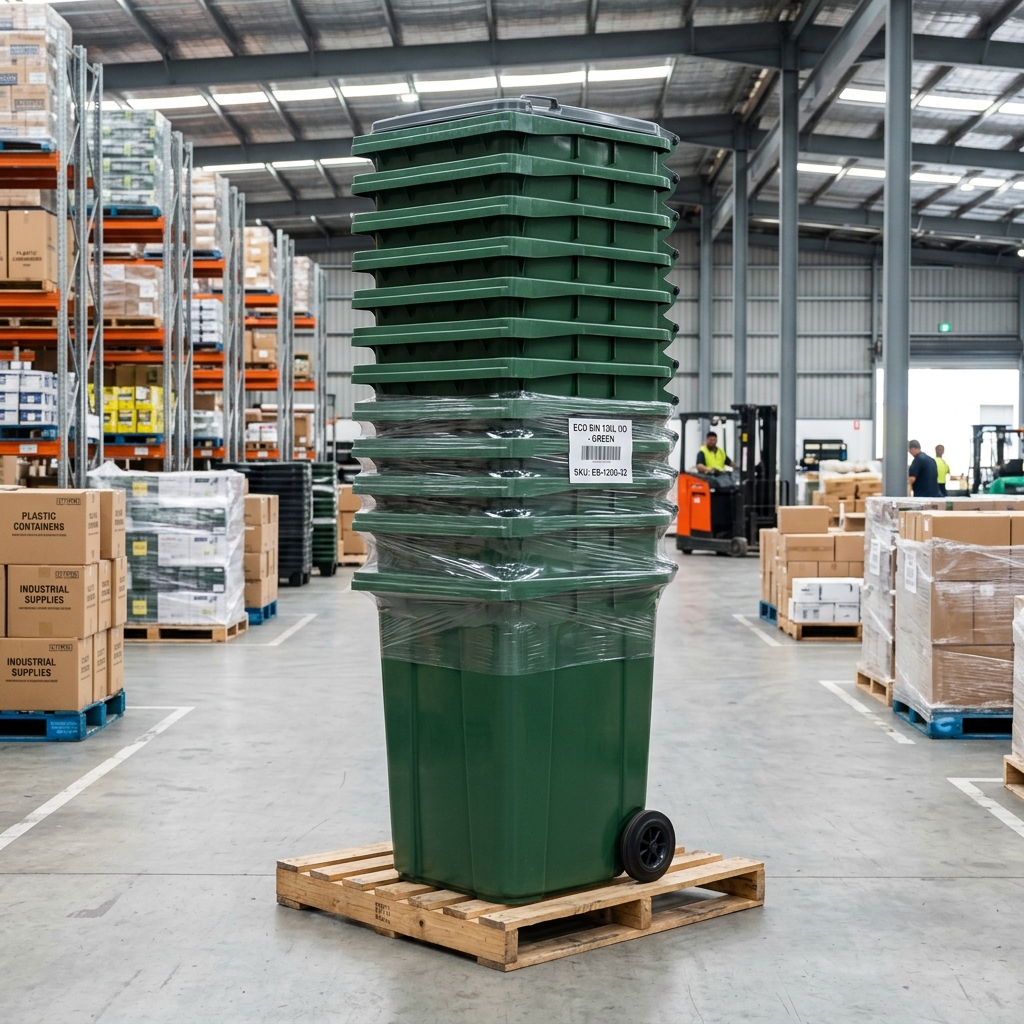
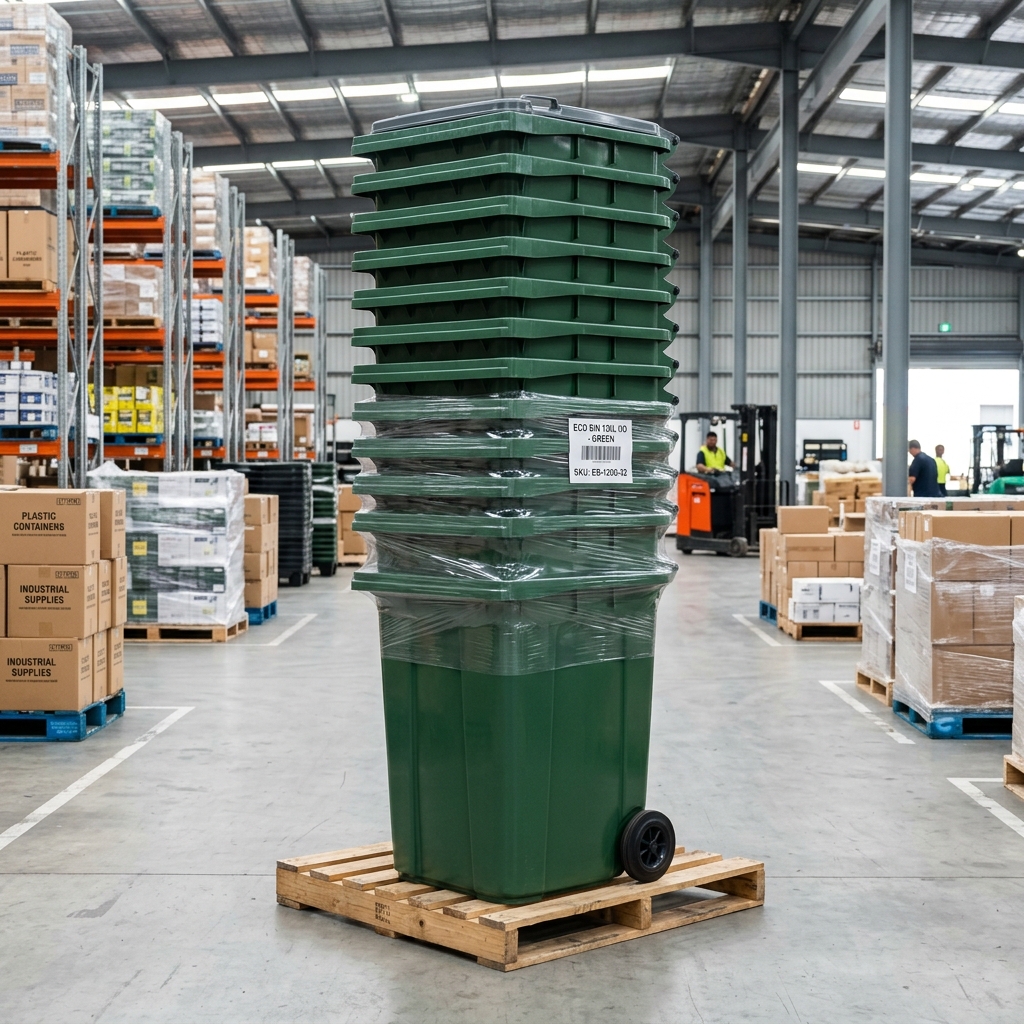
Budget-friendly options are typically made from rotationally molded high-density polyethylene (HDPE). This category includes standard wheeled bins (often referred to as roll-out carts or wheelie bins) in capacities ranging from 120 liters to 240 liters. While simple in design, these bins are highly durable, chemical-resistant, and compatible with municipal garbage truck mechanical lifters. This price range also includes basic open-top plastic barrels and wire mesh street baskets. These options are highly functional and cost-effective, making them the default choice for city sidewalks, school playgrounds, and residential curbs.
However, they lack premium aesthetic appeal and are not suited for luxury commercial zones or upscale parks where appearance is highly prioritized.
2. Mid-Range Commercial Bins ($150 to $400)
The mid-range category offers a balance between robust construction and clean aesthetics. In this price bracket, you will find trash cans built with galvanized steel frames, heavy-duty powder-coated steel slats, or basic concrete structures. Many of these bins feature specialized lids, such as rain hoods or side-entry slots, that prevent birds and rainwater from entering the waste container. These bins are common in urban commercial plazas, suburban public parks, and transit stations.
They offer a more professional appearance than plain plastic roll-out bins and are highly resistant to physical vandalism and extreme weather. Many mid-range options also include internal plastic liners, which simplify emptying and protect the outer metal shell from corrosive liquid leaks.
3. Premium Aesthetic and Custom Bins ($400 to $1,000+)
Premium bins represent the high end of the market, designed to integrate seamlessly with luxury landscaping and architectural designs. Receptacles in this price range are often made from wood-plastic composites (WPC), premium hardwood slats, thick-gauge brushed stainless steel, or heavy cast stone. They frequently feature multi-compartment waste sorting configurations, allowing pedestrians to separate trash, recycling, and organic waste in a single, high-end station. Premium bins include advanced features like key-lock access doors, decorative custom decals or logo engravings, and heavy-duty concrete anchoring kits.
They are typically installed in high-profile locations like luxury resorts, golf courses, botanical gardens, and corporate headquarters.
Strategies for Saving on Public Trash Can Purchasing
Communities and small businesses can implement several strategies to reduce their public trash can price expenses without sacrificing quality. The most effective approach is bulk purchasing. Most commercial manufacturers and distributors offer substantial discounts (ranging from 10% to 30% off the unit price) when purchasing bins in large quantities, as it reduces shipping and handling overhead. Another critical strategy is prioritizing lifecycle value over the initial purchase price. A cheap plastic bin that cracks after one winter must be replaced, double-spending your budget.
Investing in a slightly more expensive UV-stabilized HDPE or galvanized steel bin will yield savings over a ten-year span. Finally, stick to standard utility colors and stock designs. Custom colors and customized logo embossing add significant custom-molding fees that quickly inflate your total invoice.
Conclusion
Navigating the public trash can price spectrum requires balancing short-term budget constraints against long-term maintenance and replacement costs. By selecting durable, utility-focused HDPE bins for street curbs, mid-range powder-coated steel for standard parks, and reserving premium wood-composite or stainless steel bins for high-end zones, communities can develop highly efficient waste systems that keep public spaces clean, tidy, and beautiful without breaking the bank.
Frequently Asked Questions
Why are public trash cans so much more expensive than residential bins?
Public trash cans are subjected to extreme weather, heavy physical impacts, constant pedestrian use, and potential vandalism. They require heavy-duty materials, UV-stabilizers, anti-graffiti coatings, concrete anchors, and locking mechanisms, all of which drive up manufacturing and shipping costs compared to light domestic plastic bins.
Is shipping included in the commercial trash can price?
In most cases, shipping is not included in the listed price. Because commercial bins are heavy, bulky, and often shipped on pallets via freight carriers, shipping costs can be significant. Always request a freight shipping quote before finalizing your municipal or commercial budget.
Which is cheaper: plastic or metal outdoor public trash cans?
Generally, high-density polyethylene (HDPE) plastic bins are cheaper to buy than metal public bins. HDPE is mass-produced through efficient molding, whereas metal bins require fabrication, welding, assembly, and anti-rust coatings, which increases labor and material costs.
Related Reading: Explore our detailed guide on 6 Reasons It’s a Modern Apartment Essential to learn more about choosing the best waste solutions for your needs.
To understand the global impact of proper recycling and garbage disposal, check out the comprehensive resource on Waste Management on Wikipedia.
