
Home Improvement, Materials, Post
Stainless Steel vs Plastic Trash Can: 5 Durability Factors
Jun
Introduction
When selecting household or office utilities, the trash can is often treated as an afterthought. However, considering how frequently it is used and the harsh environments it must endure, choosing the right material is a significant decision. The primary debate in waste receptacle selection revolves around one core comparison: stainless steel vs plastic trash can. Both materials are widely used and represent the vast majority of the consumer and commercial market. Yet, they serve very different needs.
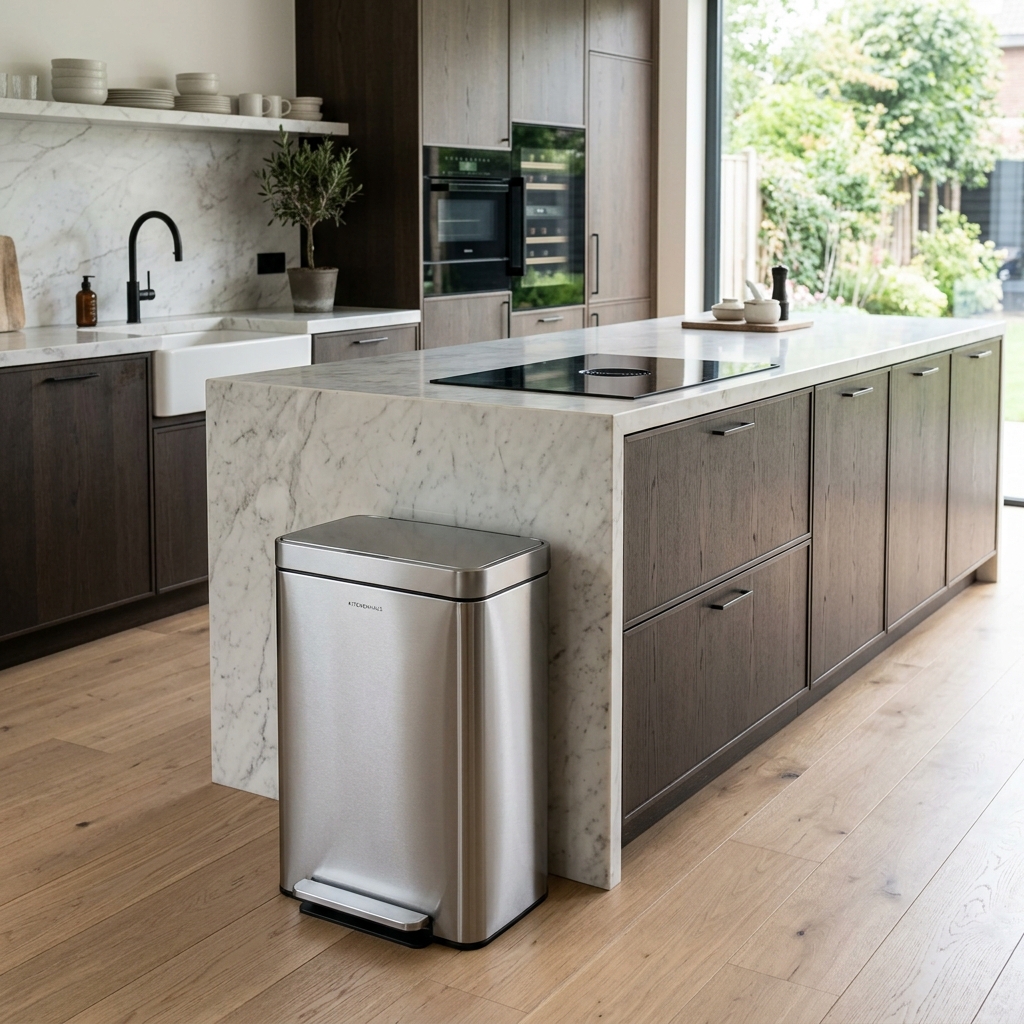
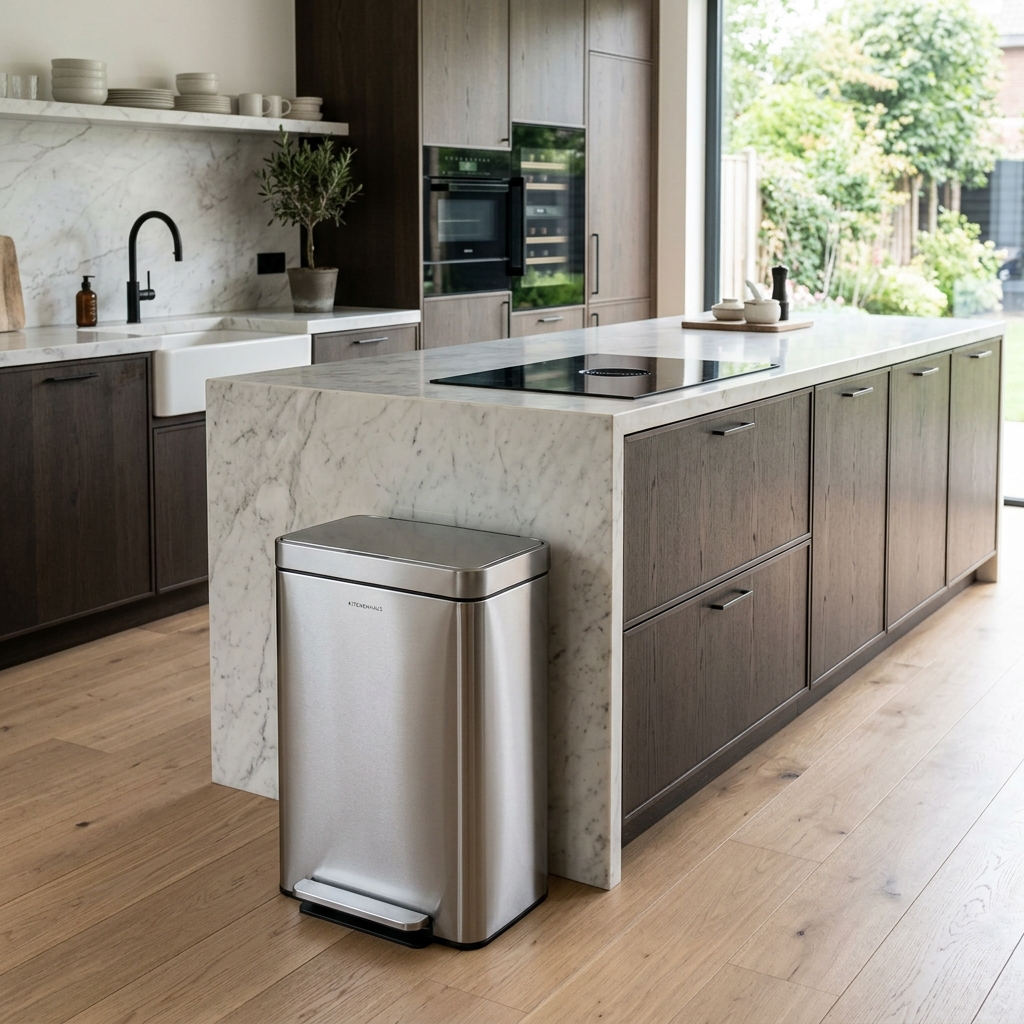
A stainless steel bin offers a sleek, modern look that matches stainless steel kitchen appliances, while a plastic bin is lightweight, affordable, and flexible. To determine which is more durable and suitable for your specific needs, we must analyze how each material performs under mechanical impact, chemical exposure, weather conditions, and daily wear and tear.
Overview of the Materials
To understand the durability differences, we must first look at the compositions of these materials. Stainless steel is an iron alloy containing at least 10.5% chromium, which reacts with oxygen to form a thin, invisible layer of chromium oxide. This passive layer protects the underlying metal from rust and corrosion. On the other hand, plastic trash cans are typically made of polypropylene (PP) or high-density polyethylene (HDPE). These are synthetic polymers known for their lightweight nature, chemical resistance, and flexibility.
While both materials are robust, their physical properties lead to vastly different lifespans and performance characteristics in everyday usage.
Durability Comparison: Which Holds Up Better?
Durability is not just about how long a product lasts; it is about how well it maintains its structural integrity and appearance over time. Let us compare these materials across several critical performance areas.
1. Resistance to Physical Impact and Mechanical Stress
In high-traffic areas like kitchens and commercial corridors, trash cans are subject to bumps, kicks, and drops. Plastic is naturally elastic. If a plastic bin is bumped by a chair or dropped, it will bend and absorb the impact, often popping back into its original shape without any damage. However, plastic has its limits. Low-quality plastics can crack under heavy impact or when exposed to freezing temperatures, which make the polymer chains brittle. Stainless steel is extremely strong and rigid. It will not crack or shatter, even under extreme pressure.
However, it is susceptible to permanent denting. If a metal bin is struck by a heavy object, the dent will remain, which can ruin its clean, reflective aesthetic. For high-impact zones, plastic may actually be more resilient to daily knocks, while stainless steel is better if you want a container that will never break.
2. Resistance to Odor Absorption and Stains
Waste receptacles are constantly exposed to decomposing organic matter, food juices, and oils. Plastic is microscopically porous. Over time, volatile organic compounds from trash can penetrate the plastic surface. This means that even after a thorough washing, an old plastic bin can retain a persistent, unpleasant odor. Additionally, plastic is easily stained by food pigments (like tomato sauce or coffee) and can be scratched by abrasive cleaning sponges, creating deep grooves where bacteria can grow. Stainless steel is completely non-porous. It does not absorb liquids, food oils, or odors.
Spills can be wiped away completely, leaving no lingering smells. This makes stainless steel far more hygienic and durable in terms of cleanliness, especially in kitchens where wet organic waste is common.
3. Resistance to Weathering and Corrosion
For outdoor bins or bins placed in highly humid environments like bathrooms, weather resistance is crucial. Plastic does not rust. This makes it highly popular for outdoor and marine use. However, plastic is highly vulnerable to ultraviolet (UV) radiation from sunlight. Over time, UV rays break down the polymer bonds, causing the plastic to fade, dry out, and crack. Stainless steel is highly resistant to UV rays and will not degrade in the sun. However, it is not completely immune to rust.
In coastal areas with salty air or in bathrooms with constant steam, low-grade stainless steel (such as 201 grade) can develop surface rust. High-quality 304-grade stainless steel, however, contains nickel and offers superior corrosion resistance, ensuring it stays rust-free for decades.
4. Lifespan and Financial Value
While plastic bins are significantly cheaper upfront, they tend to wear out faster. A typical plastic trash can used in a busy kitchen may need replacement within 3 to 5 years due to odor buildup, scratches, or broken lid hinges. A high-quality stainless steel trash can, equipped with a durable pedal mechanism and a rust-resistant finish, can easily last 10 to 15 years or more. From a long-term financial perspective, stainless steel often provides better value despite its higher initial cost.
Aesthetics, Maintenance, and Usability
Beyond raw durability, the daily experience of using and cleaning the bin is an important consideration. Stainless steel bins are prized for their aesthetic appeal. They look professional, upscale, and integrate seamlessly with modern home designs. However, they are prone to showing fingerprints, water smudges, and grease marks. To counter this, many premium brands apply a fingerprint-proof or smudge-resistant clear coat over the metal. Cleaning stainless steel requires soft microfiber cloths and specialized cleaners to avoid scratching the surface.
Plastic bins are available in a wide range of colors and designs, allowing them to blend into closets, pantries, or kids’ rooms. They are also incredibly easy to maintain. You can wash a plastic bin with a garden hose, scrub it with harsh abrasive soaps, and air-dry it in the sun without worrying about ruining its finish.
Decision Matrix: Where to Use Which?
To help you choose, here is a quick recommendation based on typical locations:
- Kitchen: Stainless steel is highly recommended. The kitchen produces wet waste that generates odors, which stainless steel resists far better than plastic. It also complements modern kitchen design.
- Bathroom: Both can work. If the bathroom has poor ventilation, a high-quality plastic bin is safe from rust, while a premium 304-grade stainless steel bin adds a luxurious hotel-like feel.
- Garage or Workshop: Plastic is ideal. These areas involve heavy, rough tools and chemicals. A plastic bin will absorb impact without denting and can handle chemical spills better than metal.
- Outdoor Yard: Heavy-duty, UV-stabilized plastic is the standard. It will not rust when exposed to rain, and its flexibility allows it to handle the rough treatment of automated collection trucks.
Conclusion
In the debate of stainless steel vs plastic trash can, the crown for raw durability and longevity belongs to stainless steel, particularly for indoor environments. Its non-porous surface prevents odor retention, resists staining, and maintains a premium appearance for over a decade. However, plastic remains a powerful contender for outdoor, garage, and wet utility environments due to its rust-proof nature, lightweight flexibility, and low cost.
By understanding the specific challenges of your space, you can select the material that offers the perfect balance of durability, aesthetics, and value for your home.
Related Reading: Explore our detailed guide on 5 Advantages of Dual Outdoor Systems to learn more about choosing the best waste solutions for your needs.
To understand the global impact of proper recycling and garbage disposal, check out the comprehensive resource on Waste Management on Wikipedia.
