
Materials, Post, Waste Management
Composite Plastic Bins: 5 Pros & Cons in Extreme Weather
Jun
Introduction
n
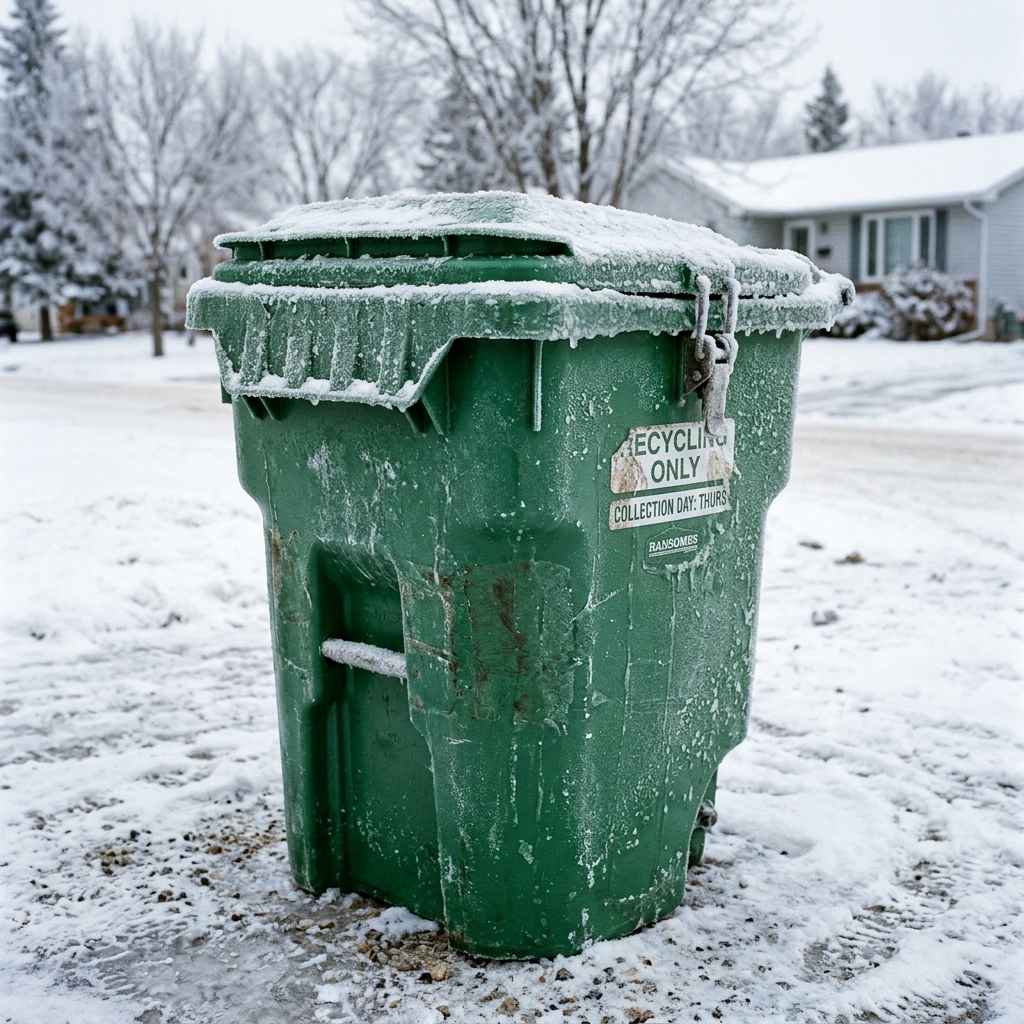
If you are looking for the best information on composite plastic bins, you have come to the right place. Outdoor waste management is a demanding task. Public parks, municipal streets, commercial campuses, and coastal boardwalks require trash receptacles that can handle constant public use while enduring continuous exposure to the elements. From freezing winter blizzards and torrential autumn downpours to scorching summer heatwaves, outdoor bins face extreme conditions that can quickly degrade standard materials.
In recent years, composite plastic bins have emerged as a highly popular choice for outdoor waste management. Made from engineered polymer blends, these bins offer a unique set of characteristics.
However, before investing in composite outdoor containers, it is essential to understand both the pros and cons of this material in extreme weather environments.
nn
What Are Composite Plastic Bins?
n
Composite plastic is not a single material but rather an engineered blend. Typically, composite plastic bins are manufactured by combining high-density polyethylene (HDPE) or other recycled plastics with stabilizing additives, colorants, and sometimes organic fibers like wood flour (creating wood-plastic composites). This mixture is molded under high pressure and temperature to create dense, durable structures. The goal of this engineering is to capture the best qualities of different materials: the strength and workability of wood or metal, combined with the low maintenance and weather-resistant properties of synthetic polymers.
The result is a robust material designed specifically to withstand harsh outdoor environments.
nn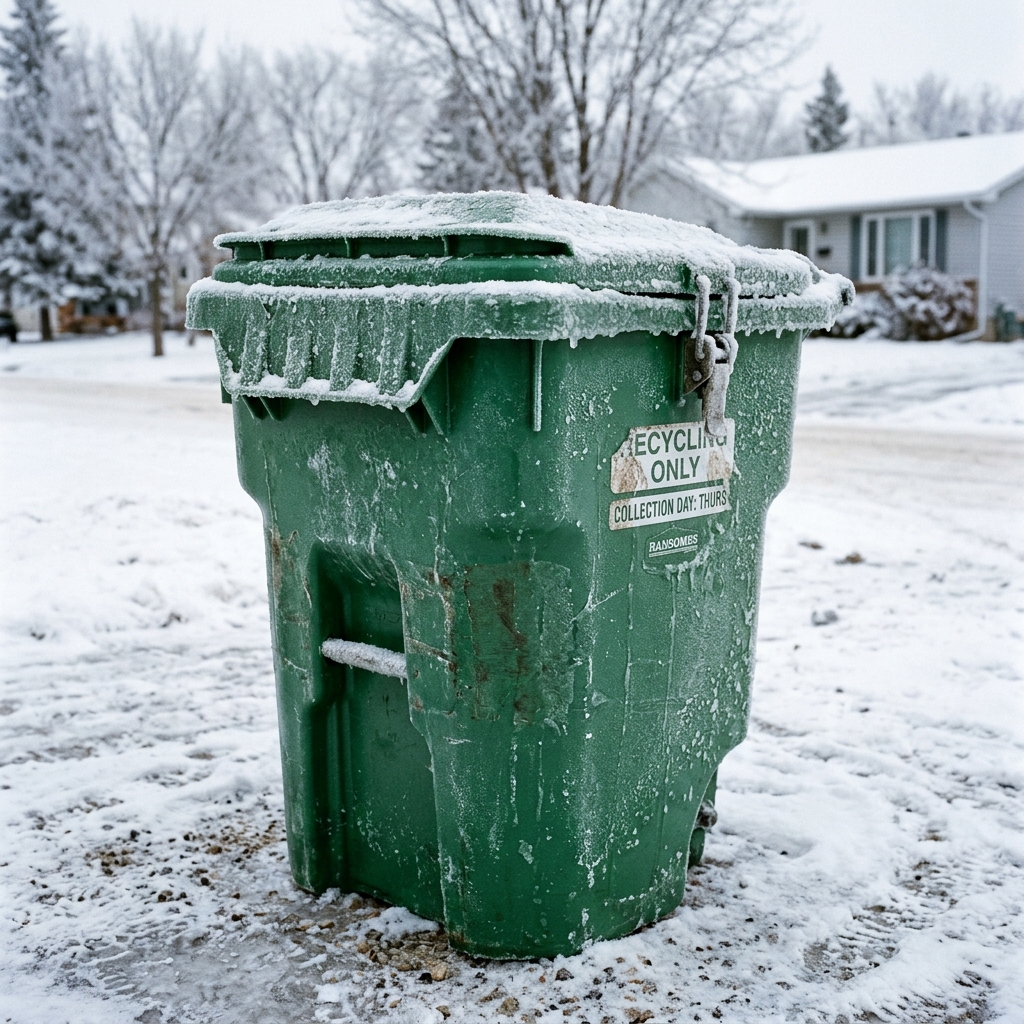 nn
nn
The Pros (Advantages) of Composite Plastic Bins in Extreme Weather
n
Composite plastic bins offer several key advantages that make them well-suited to handle extreme climates and fluctuating weather conditions:
n
- n
- Waterproof and Corrosion Resistant: Outdoor environments can be highly corrosive. Unlike steel or iron bins, composite plastic cannot rust. This is a critical advantage in coastal regions with high salt air, or in areas that experience heavy rainfall and high humidity. It also resists rotting and mold, which quickly degrade natural wood bins.
- High UV Resistance: Quality composite bins are manufactured with built-in UV stabilizers. These chemical additives protect the polymers from the breaking-down effects of ultraviolet sunlight, which causes standard plastics to fade, become brittle, and crack over time.
- Excellent Thermal Stability: Composite plastics are designed to withstand a wide temperature range. They will not crack in extreme cold (down to -40°C) and will not soften or lose structural integrity in high summer heat (up to 60°C).
- Impact and Puncture Resistance: Heavy winter snow loads, ice accumulation, and high winds can put physical stress on outdoor bins. Composite plastic has a degree of flexibility that allows it to absorb impacts—such as being struck by a snow plow or tipped over by wind—without denting like metal or cracking like cheap plastics.
- Resistance to Pests and Chemicals: Extreme weather often drives pests to seek food in waste bins. Composite bins are impervious to rodent chewing and do not absorb chemical de-icers, road salts, or acidic waste liquids that can corrode other materials.
n
n
n
n
n
nn
The Cons (Disadvantages) of Composite Plastic Bins in Extreme Weather
n
While composite plastic is an excellent material, it is not without its limitations. Facility managers should consider the following potential drawbacks in extreme weather:
n
- n
- Thermal Expansion and Contraction: Like all materials, composite plastic expands in hot weather and contracts in freezing temperatures. If the bins are poorly designed or installed without proper expansion joints, this movement can cause warping, loose screws, or misaligned doors and lids over time.
- Brittleness in Deep Freezes: Although engineered to resist cold, extremely cheap composite materials can still become slightly brittle when temperatures drop far below zero. In these conditions, a severe impact (like a heavy blow from a vehicle) is more likely to cause cracking than it would in warmer weather.
- High Upfront Cost: Engineering and manufacturing high-quality composite materials is a complex process. As a result, composite plastic bins are generally more expensive initially than simple polyethylene bins or basic steel drums. However, this is often offset by their long lifespan and low maintenance costs.
- Weight Considerations: Composite bins are significantly heavier than standard single-wall plastic bins. While this weight provides stability against high winds, it makes them harder to relocate manually if a facility needs to adjust its layout in response to seasonal weather changes.
n
n
n
n
nn
Comparing Composite to Metal and Wood Outdoor Bins
n
To fully appreciate composite plastic, it is helpful to compare it to traditional outdoor bin materials under extreme weather conditions. Steel bins are incredibly strong but require regular painting or galvanization to prevent rust, especially in damp or salty coastal air. Once rust begins, the structural integrity of the metal declines rapidly. Wood bins offer a beautiful, natural aesthetic that blends well with park settings, but they require annual sealing, sanding, and staining to prevent rotting, splitting, and insect damage.
Composite plastic bins solve these issues by providing a wood-like appearance (often embossed with grain patterns) or a clean modern aesthetic, while requiring zero painting, sealing, or rust-proofing, regardless of the weather.
nn
Maintenance Tips for Outdoor Composite Bins
n
To maximize the lifespan of your composite plastic bins in extreme climates, implement a simple maintenance plan. First, ensure the bins are securely anchored to a concrete pad using masonry anchors to prevent them from being blown over by high winds or pushed by heavy snow. Second, wash the bins once or twice a year with a pressure washer and mild detergent to remove road salts, pollen, and grime.
Finally, inspect the hinges and locking mechanisms before winter and apply a silicone-based lubricant to prevent freezing and ensure smooth operation throughout the cold months.
nn
Conclusion
n
Composite plastic bins represent a highly effective middle ground in outdoor waste management, combining the durability of heavy materials with the low-maintenance benefits of synthetics. While they do have minor drawbacks—such as thermal expansion and higher initial costs—their resistance to rust, rot, UV rays, and extreme temperature fluctuations makes them a superior choice for harsh outdoor environments. By selecting high-quality engineered composites and securing them properly, municipalities and businesses can ensure their waste management systems remain functional and attractive, whatever the weather.
Related Reading: Explore our detailed guide on 120-Liter Plastic Bin with Lid to learn more about choosing the best waste solutions for your needs.
To understand the global impact of proper recycling and garbage disposal, check out the comprehensive resource on Waste Management on Wikipedia.
