
Post
5 Absolute Reasons Smart Recycling Bins Are the Future of Green Tech
Jun
For decades, the global technology sector focused its immense computational and engineering capabilities entirely on communication, entertainment, and personal transport. We put supercomputers in our pockets, sent autonomous rovers to Mars, and built high-fidelity virtual realities. However, nestled right at the very center of our domestic and municipal lives remained a notoriously primitive, highly inefficient mechanical process: manual waste sorting. Today, a monumental technological disruption has completely altered this reality. The explosive arrival of next-generation Smart Recycling Bins has officially merged the cutting-edge worlds of artificial intelligence, robotics, and environmental conservation.
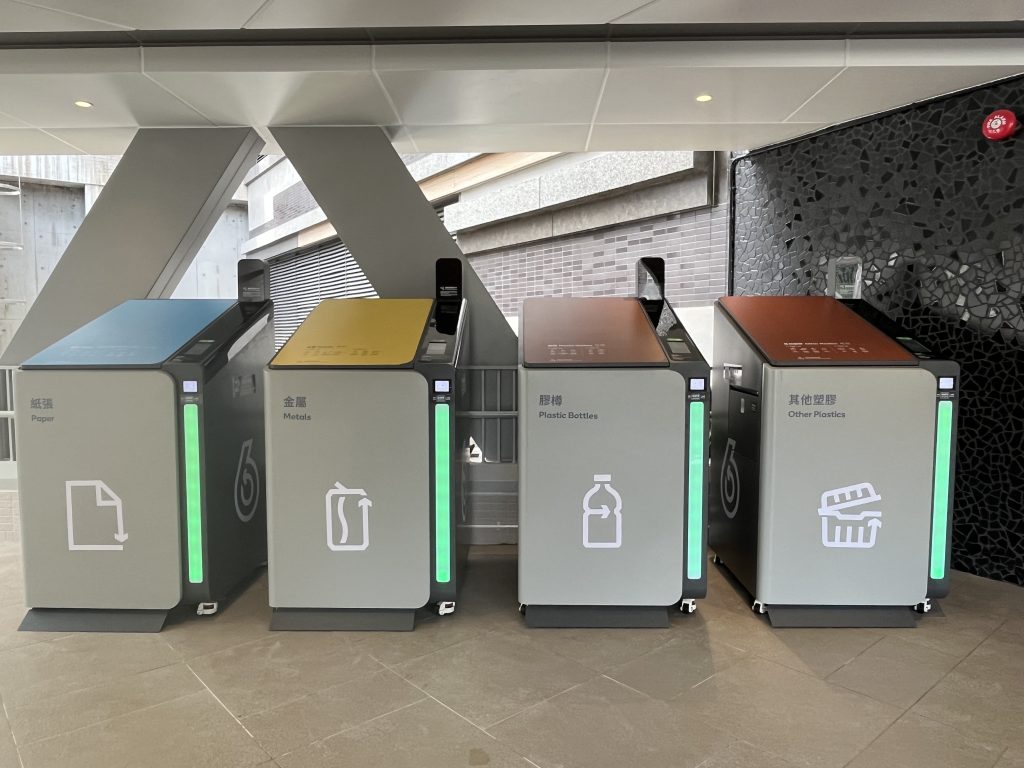
Far removed from the simple metal receptacles of the past, Smart Recycling Bins are highly sophisticated, self-contained automated sorting centers. Equipped with microscopic optical sensors, real-time volume scanners, automated compaction arrays, and smart city IoT connectivity, these devices take the human error out of environmental stewardship entirely. In this comprehensive green technology masterclass, we dissect the spectacular electro-mechanical engineering inside these devices and explore the 5 absolute reasons why upgrading to an automated recycling system represents the absolute ultimate standard in modern home and commercial waste solutions.
1. Optical AI Sorting and the Eradication of Human Error
The single greatest financial and ecological bottleneck in the global recycling supply chain is “wish-cycling”—the well-intentioned but disastrous human habit of throwing unrecyclable contaminated items (such as greasy pizza boxes, broken ceramic coffee mugs, or non-recyclable plastic wraps) into a recycling bin. This severe contamination ruins entire batches of clean material, forcing processing plants to burn them or dump them.
Premium Smart Recycling Bins eliminate human confusion entirely by integrating microscopic optical cameras powered by advanced machine learning neural networks. When you place an item onto the bin’s upper induction tray, the internal microprocessor instantly captures high-resolution imagery, analyzing the object’s distinct physical geometry, chemical reflection, and barcode data against a massive, cloud-based waste database in roughly 200 milliseconds. Once the AI verifies the exact material composition, an automated mechanical trapdoor opens, dropping the pristine aluminum can, PET bottle, or clean paper directly into its exact internal sub-chamber. To deeply understand the computational algorithms and machine vision frameworks that power this revolution, you can review the official Wikipedia documentation on Artificial Intelligence.

2. Automated Mechanical Compaction Technology
A major physical frustration of managing bulky recyclables—specifically two-liter plastic soda bottles, cardboard delivery boxes, and empty aluminum beer cans—is how quickly they fill up internal internal airspace. Standard loose recycling containers are mostly filled with empty air, requiring constant, exhausting manual emptying.
Flagship smart bins integrate powerful, automated internal mechanical compaction mechanisms. Operating via high-torque electric motors or miniature pneumatic scissor lifts, these internal plates crush and flatten empty cans and plastic bottles with up to 500 pounds of physical force. This brilliant structural compaction reduces the physical volume of waste by an astonishing 60% to 75%. The physical result is a bin that can hold up to four times more waste than a traditional passive receptacle of the exact same physical exterior size, drastically optimizing home space and commercial janitorial labor.
3. Absolute Touchless Motion Sensors and UV-C Sterilization
In high-traffic modern commercial environments, executive corporate offices, and premium smart homes, absolute physical hygiene is a non-negotiable requirement. Traditional push-door recycling lids accumulate billions of harmful bacteria, viruses, and sticky food residues over a single workday.
Elite Smart Recycling Bins feature ultra-precise, zero-latency infrared motion sensors. The split-second your hand approaches within 10 inches of the upper console, the motorized lid slides back silently in a fraction of a second, granting completely frictionless, 100% hands-free access. Furthermore, once the lid closes, many elite flagship models activate an internal array of medical-grade UV-C (Ultraviolet) sterilizing LEDs. This non-chemical light wave actively destroys the molecular DNA of trapped biological pathogens and odor-causing bacteria, ensuring your internal waste chamber remains completely hygienic and completely safe to empty.
4. IoT Connectivity, App Analytics, and Smart City Logistics
A smart bin is not just an isolated piece of hardware; it is an active node within a sprawling, hyper-connected digital ecosystem. These advanced containers feature integrated Wi-Fi and cellular IoT (Internet of Things) microcontrollers that continuously monitor internal fill levels, battery health, and sorting statistics.
Homeowners and facility managers can connect to clean, highly intuitive mobile companion applications to track their precise monthly diversion rates, measure their exact carbon offset (in kilograms of CO2 saved), and receive automated push notifications the exact moment an internal sub-bucket reaches 100% capacity. In advanced commercial smart cities, these bins autonomously transmit fill telemetry directly to municipal dispatchers, allowing waste management trucks to optimize their daily pickup driving routes dynamically, saving thousands of gallons of municipal diesel fuel annually. To ensure your home ecosystem is perfectly optimized to complement this advanced tech, read our companion breakdown on standard Eco-Friendly Kitchen Bins.
5. An Immersive, Gamified Educational Interface
Finally, the psychological impact of smart hardware cannot be understated. Many modern smart recycling hubs feature integrated high-definition OLED displays or subtle, multi-colored LED communication rings across the exterior chassis.
| LED Ring Color Code | Operational Machine Status | User Psychological Feedback |
|---|---|---|
| Pulsing Emerald Green | Item verified as clean, 100% recyclable | Positive reinforcement, successful green habit |
| Solid Amber Yellow | Internal compaction array actively crushing | Fascinating mechanical engagement, zero manual effort |
| Flashing Crimson Red | Item rejected (Contaminated or Non-recyclable) | Crucial real-time education, corrects bad waste habits |
This instant, gamified visual feedback completely transforms the mundane act of throwing away a soda can into an entertaining, highly educational experience. It actively teaches children, employees, and guests how to identify recyclable materials correctly, cultivating a highly positive, permanent culture of ecological awareness.
Frequently Asked Questions
How long does the battery last in a motorized smart recycling bin?
Because premium hardware engineers heavily utilize ultra-low-power sleep microcontrollers and highly efficient brushless DC motors, a flagship battery-operated smart bin typically delivers between 6 to 12 months of continuous active operation on a single charge. Recharging is completely frictionless via an included high-speed USB-C cable or a removable lithium-ion battery pack.
What happens if I accidentally drop my smartphone or metal keys into an optical AI bin?
Do not panic! Advanced AI recycling bins are explicitly programmed with “High-Value Object Protection” algorithms. If the internal optical cameras recognize a non-waste item like a smartphone, a set of metal car keys, or a leather wallet, the machine will not open the trapdoor to drop it into the deep refuse chamber. Instead, it instantly freezes the mechanical sorting array, illuminates a red warning ring, and opens the upper glass door safely so you can retrieve your priceless personal item immediately.
Conclusion
In summary, upgrading to next-generation Smart Recycling Bins represents an absolutely phenomenal, forward-thinking leap in domestic hygiene, labor optimization, and ecological sustainability. By successfully completely eradicating human sorting errors via machine vision AI, crushing waste volumes with automated mechanical compactors, and delivering touchless UV-C hygiene, these devices elevate environmental stewardship to an absolute science-fiction standard. Stop tolerating messy, overflowing passive bins and secure your hyper-efficient green home setup today by exploring the cutting-edge environmental technology available at the Chain Story store.
